Electrical systems are essential to modern living, but they also present potential hazards if not properly maintained. Understanding electrical safety is crucial for homeowners to protect both property and family. This guide outlines key safety practices, common risks, and preventive measures that ensure your home remains safe and functional.
Common Electrical Hazards in Homes
Several factors can lead to electrical accidents or fires in residential settings:
- Aging Wiring: Older homes may have wiring that cannot handle modern energy demands, increasing the risk of short circuits.
- Overloaded Circuits: Plugging too many devices into a single outlet can cause overheating or tripped breakers.
- Faulty Appliances: Damaged cords, frayed wires, or malfunctioning devices can create sparks and fire hazards.
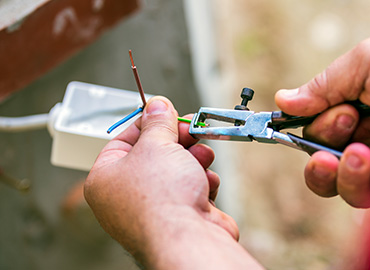
- Improper DIY Work: Unlicensed electrical work can introduce significant risks if safety protocols are not followed.
Recognizing these hazards early helps homeowners take corrective action before a serious incident occurs.
Basic Electrical Safety Practices
Implementing structured safety measures is the first step in reducing risks:
- Regular Inspections: Schedule routine checks of wiring, outlets, and circuit breakers to detect wear and tear.
- Proper Outlet Use: Avoid overloading outlets and consider using surge protectors for sensitive electronics.
- Appliance Maintenance: Inspect cords, plugs, and devices regularly to ensure safe operation.
- Childproofing: Use outlet covers or tamper-resistant outlets in homes with young children.
These practices support long-term safety and reduce the likelihood of electrical accidents.
Preventive Measures for Homeowners
Homeowners can also implement additional measures to enhance safety:
- Upgrade Old Wiring: Replace outdated wiring systems to meet current electrical demands.
- Install Ground Fault Circuit Interrupters (GFCIs): These devices reduce the risk of shock in wet areas like kitchens and bathrooms.
- Use Smoke and Carbon Monoxide Detectors: Early warning systems alert residents to potential hazards before they escalate.
- Schedule Professional Assessments: Licensed electricians can evaluate overall system performance and identify unseen risks.
Taking preventive steps ensures both peace of mind and operational reliability throughout the home.
Conclusion
Electrical safety in residential homes requires awareness, consistent monitoring, and practical preventive measures. By recognizing common hazards, applying basic safety practices, and implementing preventive upgrades, homeowners can maintain a safe living environment. Routine assessments and professional guidance help prevent accidents, reduce damage risks, and ensure electrical systems remain reliable for years to come.
Leave A Comment